
- English
- Español
- Português
- русский
- Français
- 日本語
- Deutsch
- tiếng Việt
- Italiano
- Nederlands
- ภาษาไทย
- Polski
- 한국어
- Svenska
- magyar
- Malay
- বাংলা ভাষার
- Dansk
- Suomi
- हिन्दी
- Pilipino
- Türkçe
- Gaeilge
- العربية
- Indonesia
- Norsk
- تمل
- český
- ελληνικά
- український
- Javanese
- فارسی
- தமிழ்
- తెలుగు
- नेपाली
- Burmese
- български
- ລາວ
- Latine
- Қазақша
- Euskal
- Azərbaycan
- Slovenský jazyk
- Македонски
- Lietuvos
- Eesti Keel
- Română
- Slovenski
- मराठी
- Srpski језик

Why Choose a Dry Type Transformer for Your Electrical Needs?
Dry type transformers have become increasingly popular in modern electrical systems due to their safety, efficiency, and low maintenance requirements. For businesses and industries looking to upgrade their electrical infrastructure, understanding the benefits, applications, and technical specifications of dry type transformers is essential. Zhejiang Dahu Electric Co.,Ltd. offers a wide range of high-quality dry type transformers designed to meet diverse operational demands. This article provides a comprehensive guide to help you make informed decisions when selecting a dry type transformer.
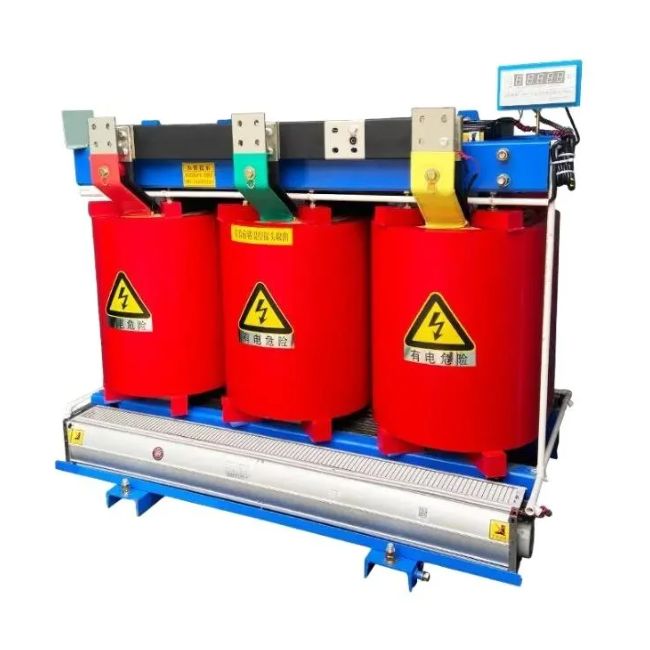
Table of Contents
- Introduction to Dry Type Transformers
- Key Benefits of Dry Type Transformers
- Different Types of Dry Type Transformers
- Applications Across Industries
- How to Select the Right Dry Type Transformer
- Maintenance and Safety Considerations
- Frequently Asked Questions
- Conclusion
Introduction to Dry Type Transformers
A dry type transformer is an electrical transformer that uses air as its primary cooling medium instead of oil or other liquid-based insulation. These transformers are designed for indoor or outdoor use in commercial, industrial, and utility applications. Unlike oil-filled transformers, dry type transformers reduce fire hazards and environmental risks, making them ideal for sensitive locations.
Zhejiang Dahu Electric Co.,Ltd. specializes in manufacturing dry type transformers that adhere to international standards and offer superior performance in various electrical environments.
Key Benefits of Dry Type Transformers
Choosing the right transformer is crucial for operational efficiency and safety. Here are the main advantages of dry type transformers:
- Safety: Non-flammable insulation significantly reduces fire risk, especially in indoor or confined spaces.
- Low Maintenance: Requires less maintenance compared to oil-filled transformers since there’s no oil leakage or contamination risk.
- Environmental Friendliness: Eliminates the risk of oil spills, protecting both workers and the environment.
- Durability: Designed to withstand harsh operational conditions, including high temperatures and vibrations.
- Efficiency: Reduced energy losses ensure better electrical efficiency and lower operational costs.
Different Types of Dry Type Transformers
Dry type transformers can be categorized based on insulation class, cooling method, and installation design. Understanding these types helps in selecting the right transformer for your application.
| Type | Description | Common Applications |
|---|---|---|
| Cast Resin Transformer | Uses epoxy resin to encase windings, providing excellent insulation and moisture resistance. | Hospitals, commercial buildings, data centers |
| Vacuum Pressure Impregnated (VPI) Transformer | Windings are impregnated with resin under vacuum, improving insulation and mechanical strength. | Industrial plants, manufacturing facilities, large commercial complexes |
| Air Forced Transformer | Uses fans or air ducts to improve cooling efficiency, suitable for high-load applications. | High-rise buildings, utility substations, factories |
Applications Across Industries
Dry type transformers are versatile and widely used in various sectors. Some key applications include:
- Commercial Buildings: Office complexes, malls, and high-rise buildings rely on dry type transformers for safety and reliability.
- Industrial Facilities: Manufacturing plants and production facilities require robust transformers to handle heavy electrical loads.
- Hospitals and Data Centers: These sensitive environments prioritize fire safety and uninterrupted power supply.
- Renewable Energy: Dry type transformers are increasingly used in solar and wind energy installations.
- Utilities: Substations and distribution networks benefit from the reduced maintenance and long lifespan of dry type transformers.
How to Select the Right Dry Type Transformer
Choosing a dry type transformer involves evaluating several technical and operational factors. Consider the following:
- Power Rating: Determine the load requirements of your facility to select the appropriate transformer capacity.
- Voltage Class: Ensure the transformer’s voltage rating matches your electrical system.
- Insulation Type: Choose between cast resin and VPI based on environmental conditions and performance needs.
- Cooling Method: Air natural (AN) or air forced (AF) cooling depends on installation space and thermal requirements.
- Compliance and Standards: Verify that the transformer meets IEC, ANSI, or other local regulatory standards.
Zhejiang Dahu Electric Co.,Ltd. offers expert consultation to ensure your transformer selection maximizes safety, efficiency, and longevity.
Maintenance and Safety Considerations
Although dry type transformers require less maintenance than oil-filled types, routine inspections are crucial to ensure long-term reliability. Key maintenance tips include:
- Regularly inspect windings for dust, dirt, or moisture accumulation.
- Check temperature readings and ensure proper ventilation.
- Verify insulation resistance to prevent electrical faults.
- Conduct periodic testing such as turns ratio test and insulation resistance test.
Safety is a priority in transformer operation. Always follow proper grounding procedures, avoid overloading, and ensure compliance with local electrical codes. Zhejiang Dahu Electric Co.,Ltd. provides comprehensive maintenance guides and technical support for all dry type transformers.
Frequently Asked Questions
Q1: What is the main difference between dry type and oil-filled transformers?
A: Dry type transformers use air for cooling and insulation, while oil-filled transformers rely on oil. Dry types are safer, environmentally friendly, and require less maintenance.
A: Dry type transformers use air for cooling and insulation, while oil-filled transformers rely on oil. Dry types are safer, environmentally friendly, and require less maintenance.
Q2: Can dry type transformers be used outdoors?
A: Yes, provided they are enclosed in weatherproof housings designed for outdoor use.
A: Yes, provided they are enclosed in weatherproof housings designed for outdoor use.
Q3: How often should a dry type transformer be inspected?
A: Routine inspections every 6 to 12 months are recommended, with more frequent checks in harsh or high-load environments.
A: Routine inspections every 6 to 12 months are recommended, with more frequent checks in harsh or high-load environments.
Q4: Are dry type transformers suitable for high-voltage applications?
A: Yes, dry type transformers are available in various voltage classes suitable for commercial, industrial, and utility applications.
A: Yes, dry type transformers are available in various voltage classes suitable for commercial, industrial, and utility applications.
Q5: How long do dry type transformers last?
A: With proper maintenance, dry type transformers can last 25-30 years or more.
A: With proper maintenance, dry type transformers can last 25-30 years or more.
Conclusion
Dry type transformers offer a safe, reliable, and environmentally friendly solution for modern electrical systems. Whether for commercial buildings, industrial plants, or sensitive environments, selecting the right transformer ensures operational efficiency and long-term safety. Zhejiang Dahu Electric Co.,Ltd. provides a comprehensive range of dry type transformers tailored to diverse applications, backed by expert technical support.
Ready to upgrade your electrical infrastructure with high-quality dry type transformers? Contact us today and let Zhejiang Dahu Electric Co.,Ltd. help you find the perfect solution for your energy needs.